
Giuseppe Scarampella
A distinguished example of nineteenth-century Italian violin making, reflecting the artistic character, refined proportions and individual craftsmanship associated with the Italian tradition.
A Florentine Instrument of Distinction
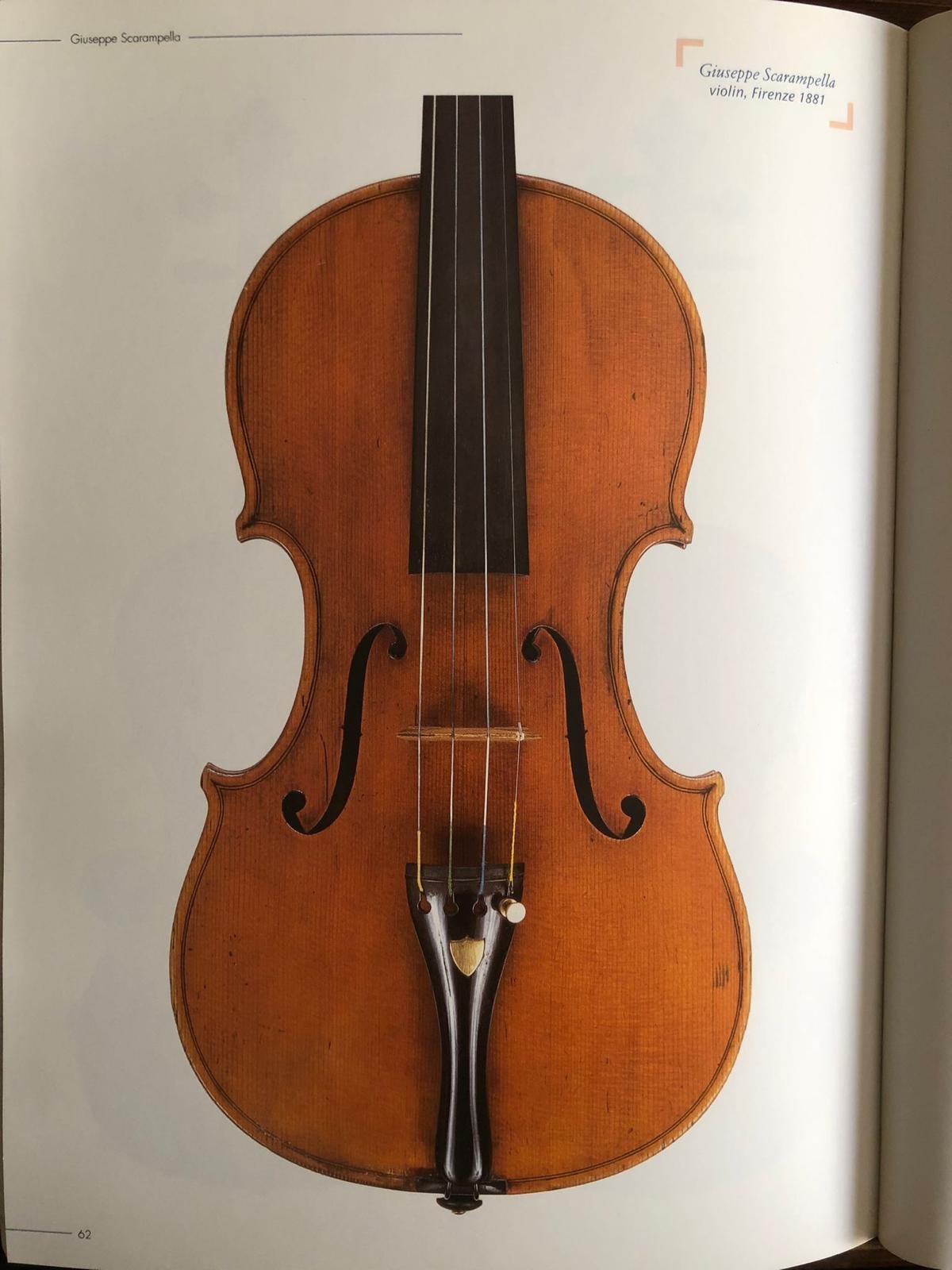
The Giuseppe Scarampella violin of 1881 is a remarkable example of nineteenth-century Italian violin making.
Crafted in Florence, the instrument reflects the artistic character, refined proportions and individual craftsmanship associated with the Italian violin-making tradition.
Distinguished by its elegant appearance and documented history, the violin represents an important connection between the musical heritage of Florence and the continuing appreciation of fine Italian string instruments.
Wood & Construction
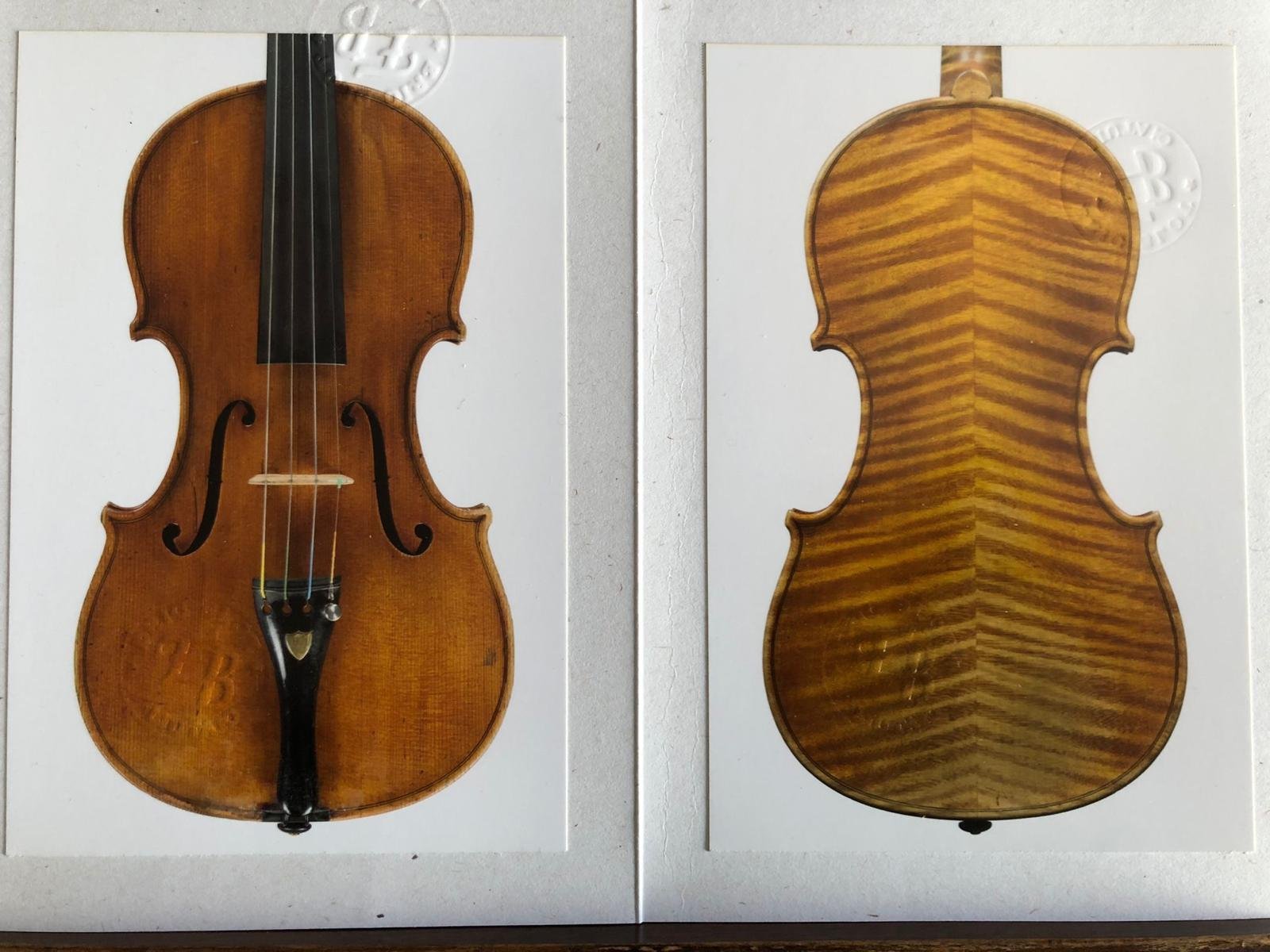
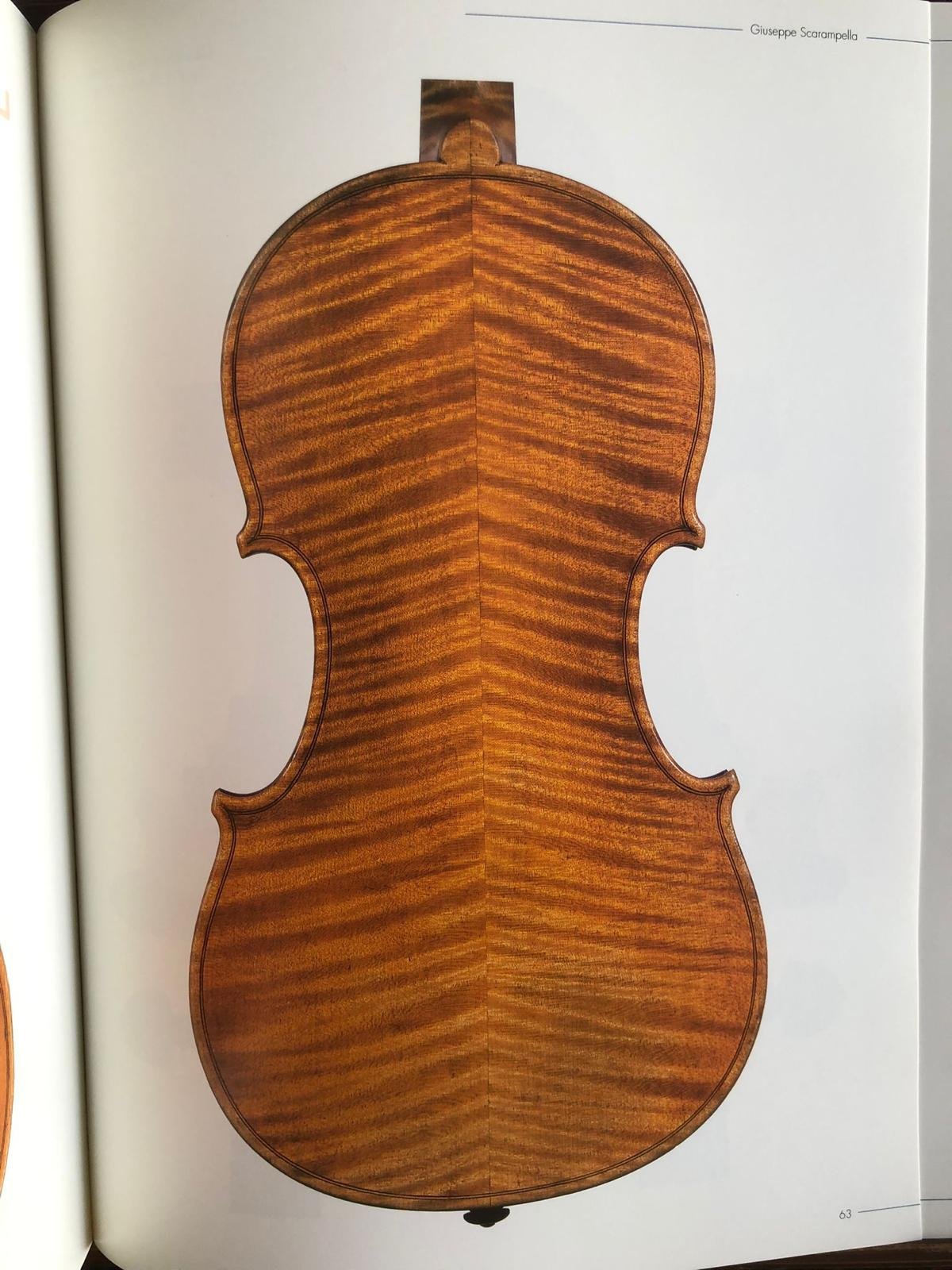
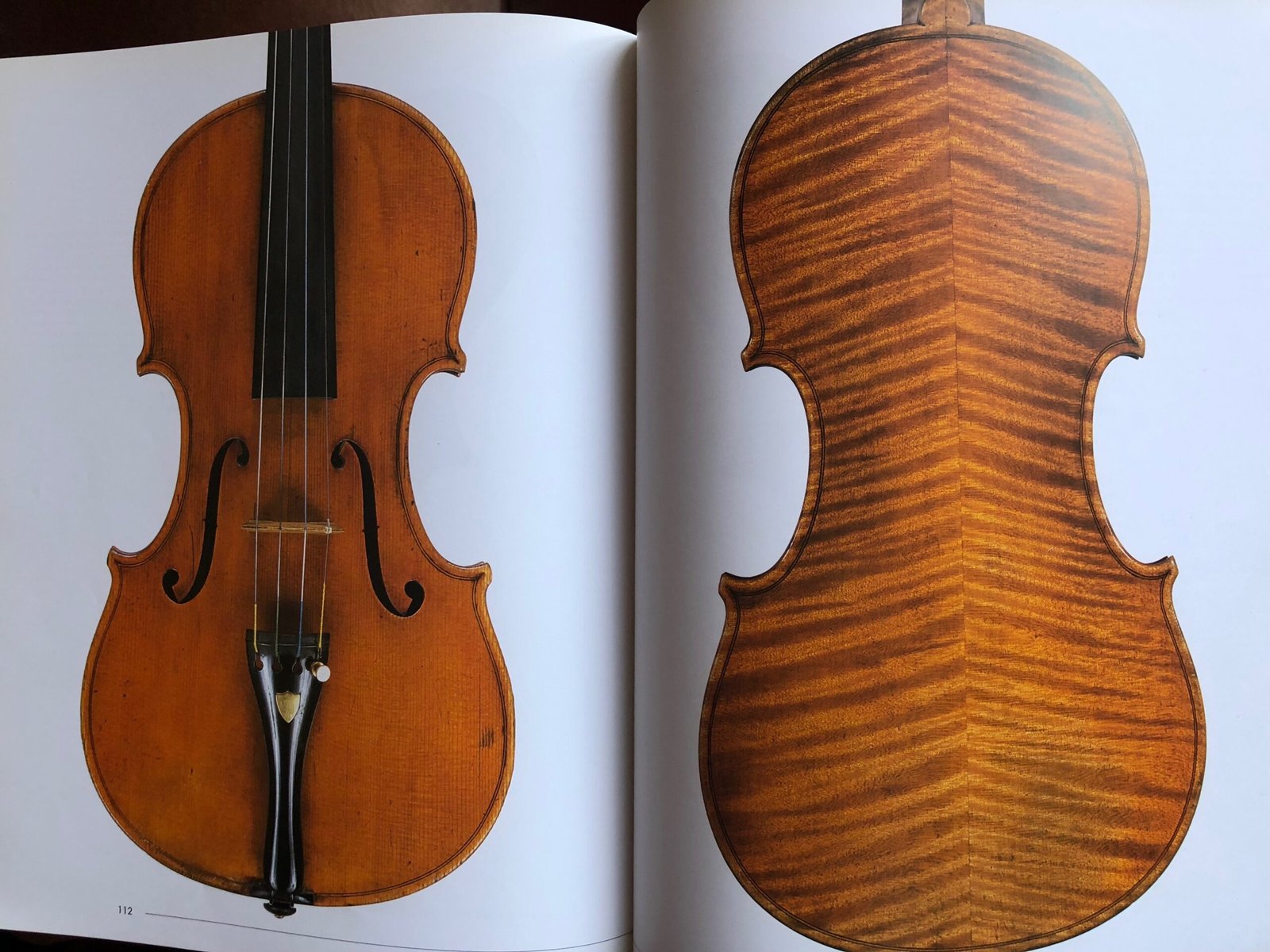
The instrument features a beautifully figured two-piece maple back, with medium-width flames descending from the central joint toward the edges.
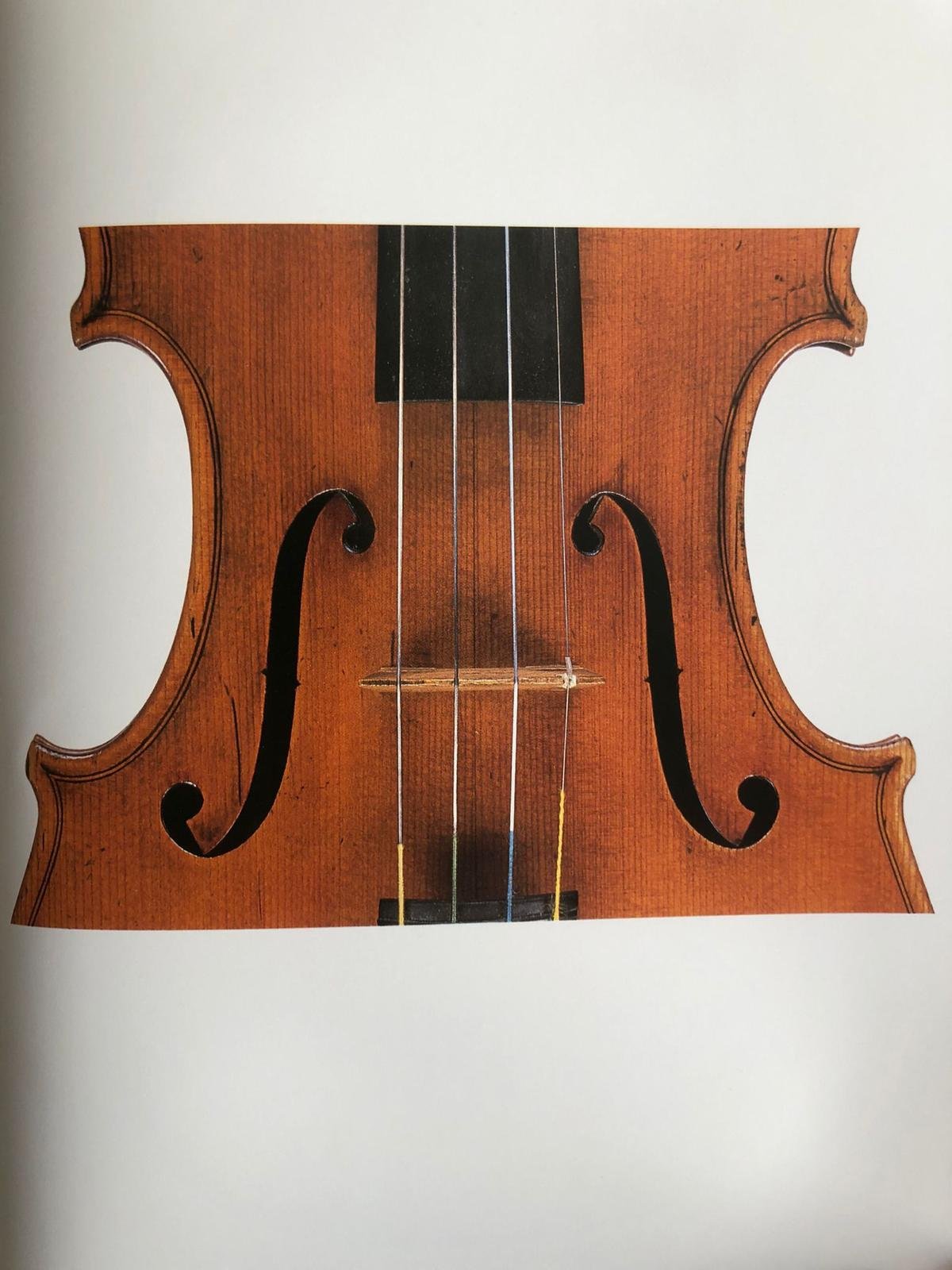
The table is constructed from two pieces of spruce, displaying relatively regular, medium-to-fine grain.
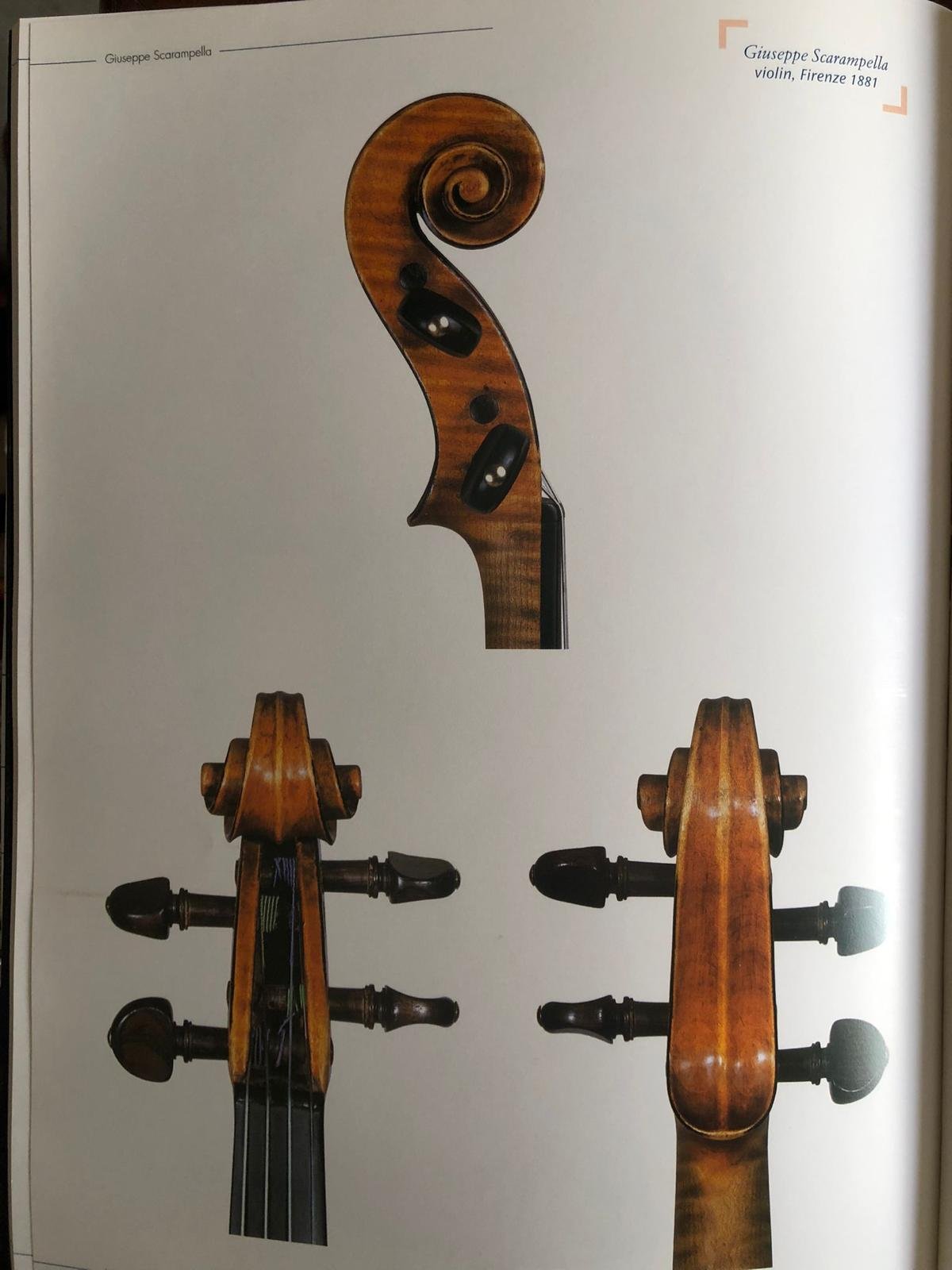
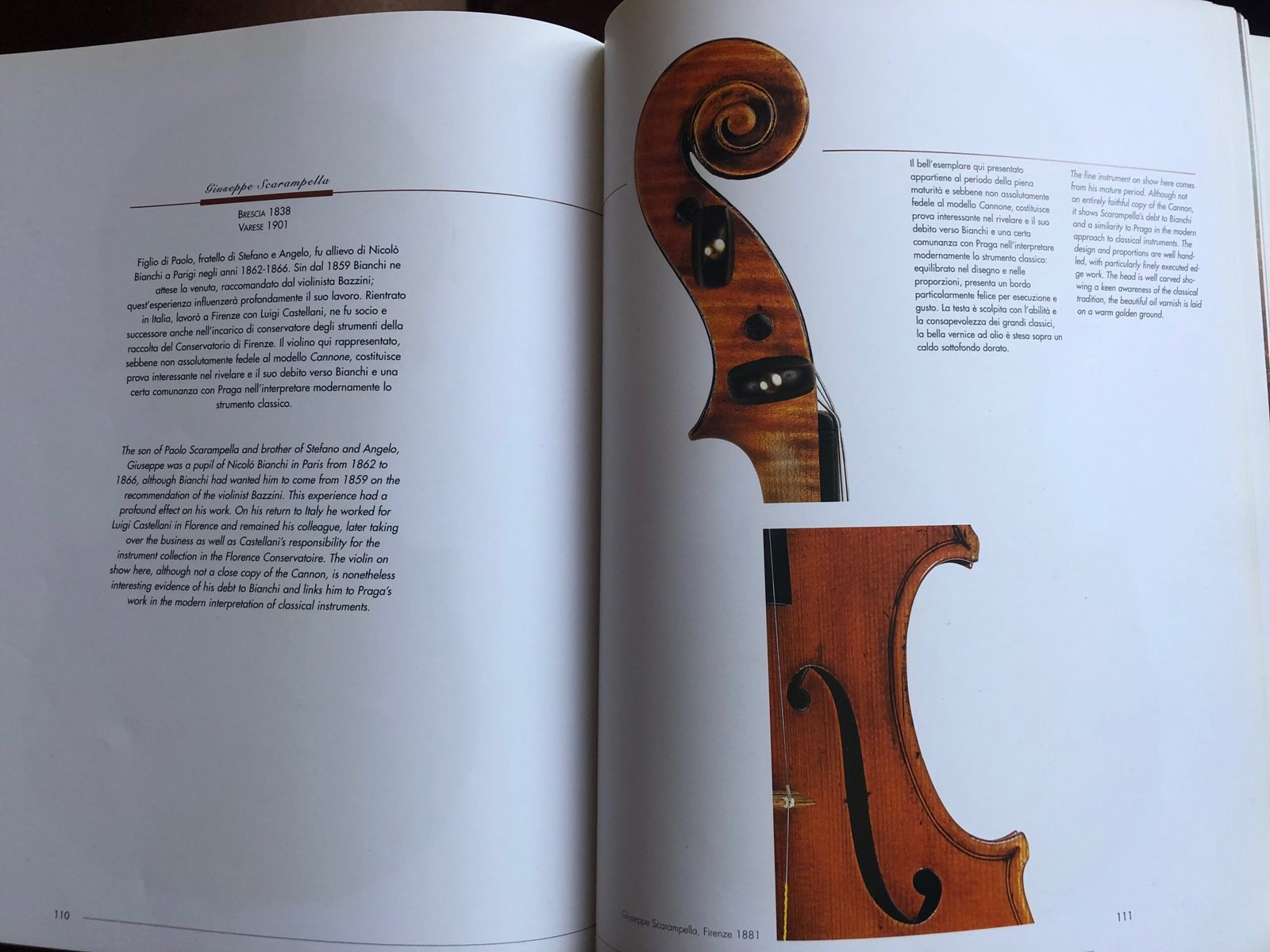
The ribs and scroll are fashioned from maple similar in appearance to that of the back, creating visual continuity throughout the instrument.
Varnish & Workmanship
The natural figure of the maple creates a distinctive visual character, enhanced by the warm golden-yellow varnish.
The proportions and workmanship illustrate the individuality of the maker’s approach and the craftsmanship of nineteenth-century Italian violin making.
The violin preserves the visual qualities and historical character associated with this important period of Italian craftsmanship.
Historical Significance
Giuseppe Scarampella worked within the Italian violin-making tradition during a period in which individual makers continued to develop distinctive approaches to construction, materials and artistic expression.
Made in Florence in 1881, this violin belongs to that historical context and offers collectors and musicians an opportunity to appreciate the craftsmanship of the period.
Fine historical instruments are valued for a combination of factors, including authorship, condition, originality, craftsmanship, documentation and musical qualities.
The preservation of these instruments allows successive generations to study the traditions and techniques of their makers.
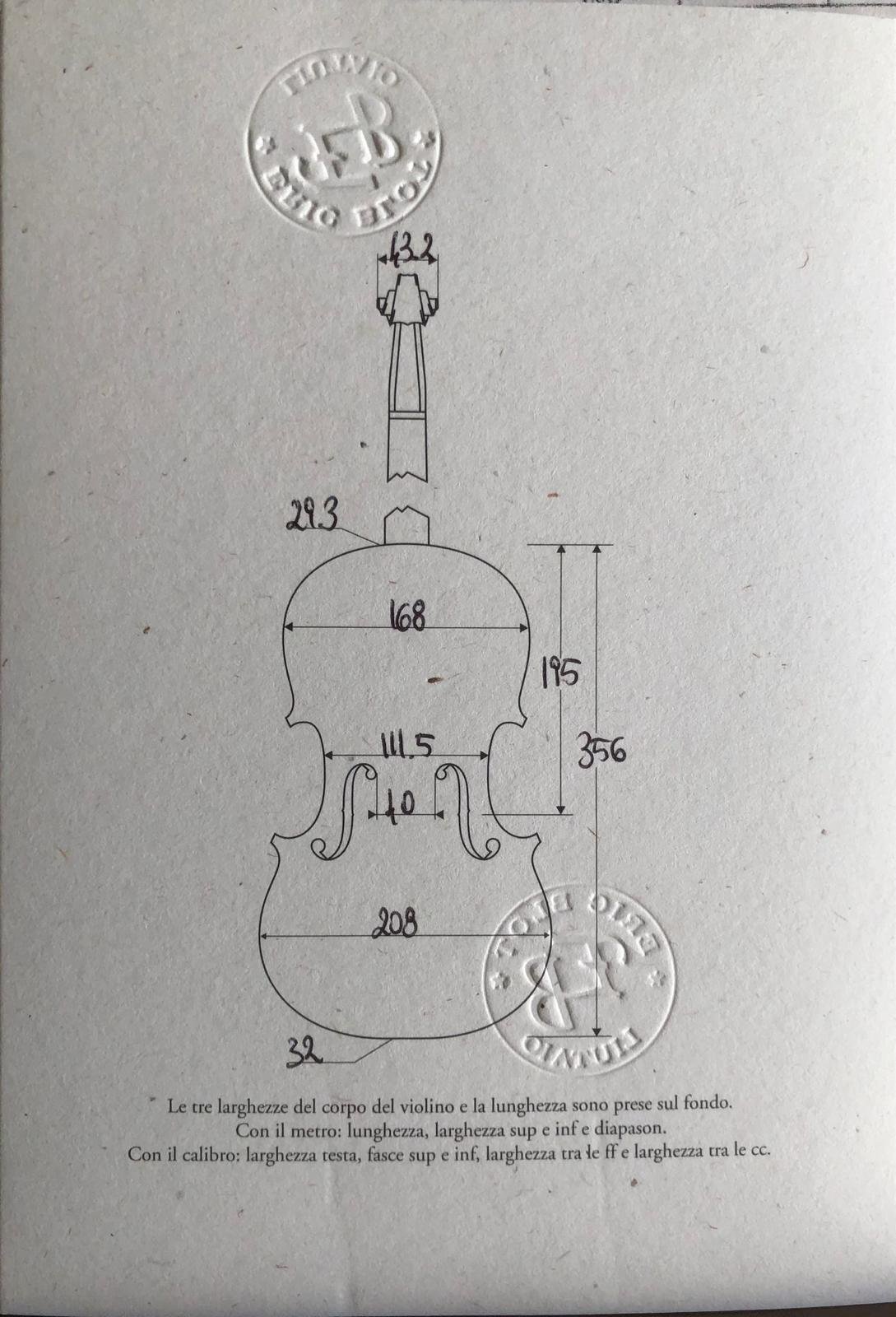
Details & Dimensions
Certification & Provenance
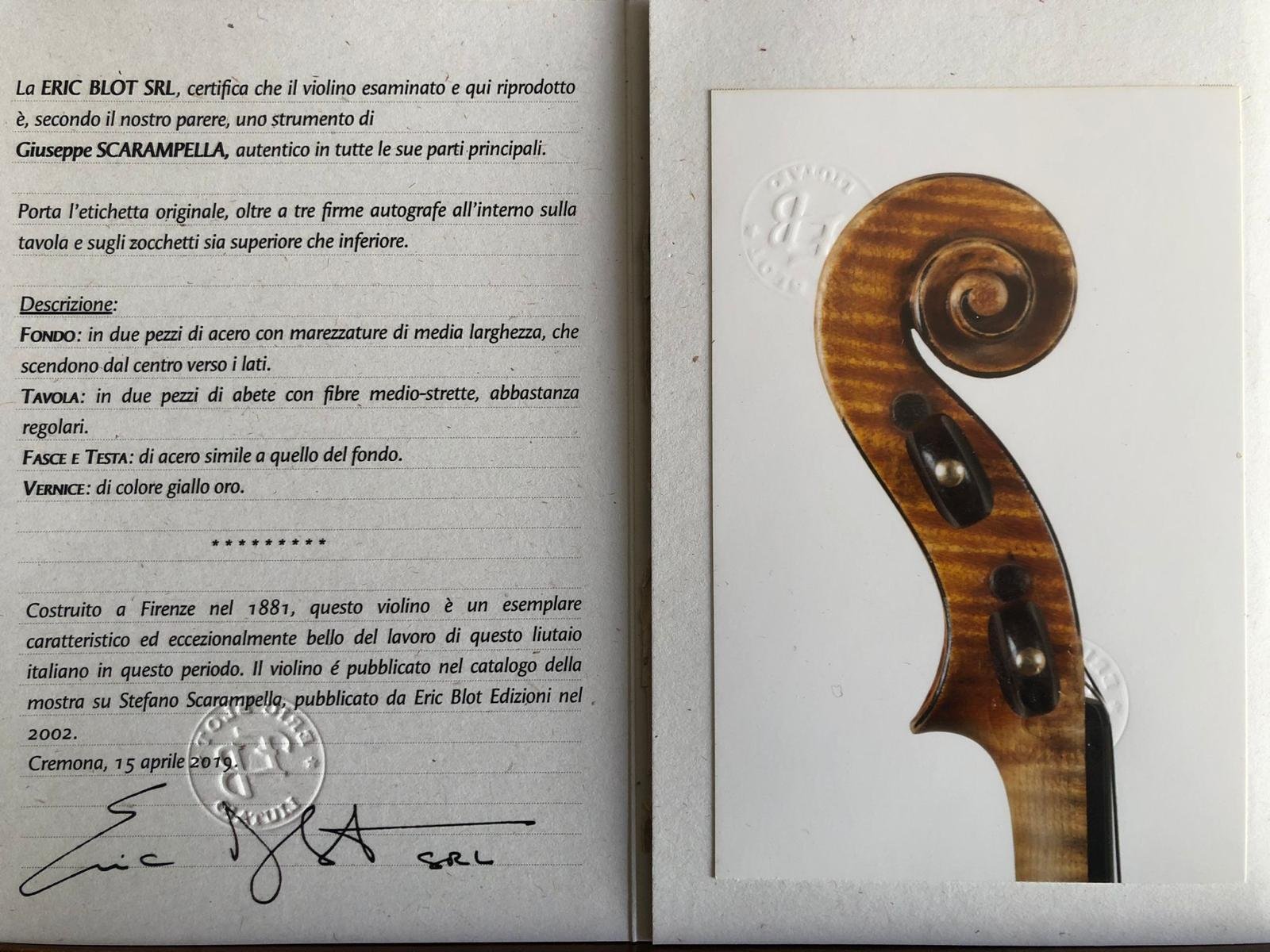
The violin is accompanied by a certificate issued by Eric Blot in Cremona on April 15, 2019.
According to the certificate, the instrument is an authentic work of Giuseppe Scarampella in all its principal parts.
The document records the presence of the original label and three autograph signatures located internally on the table and on the upper and lower blocks.
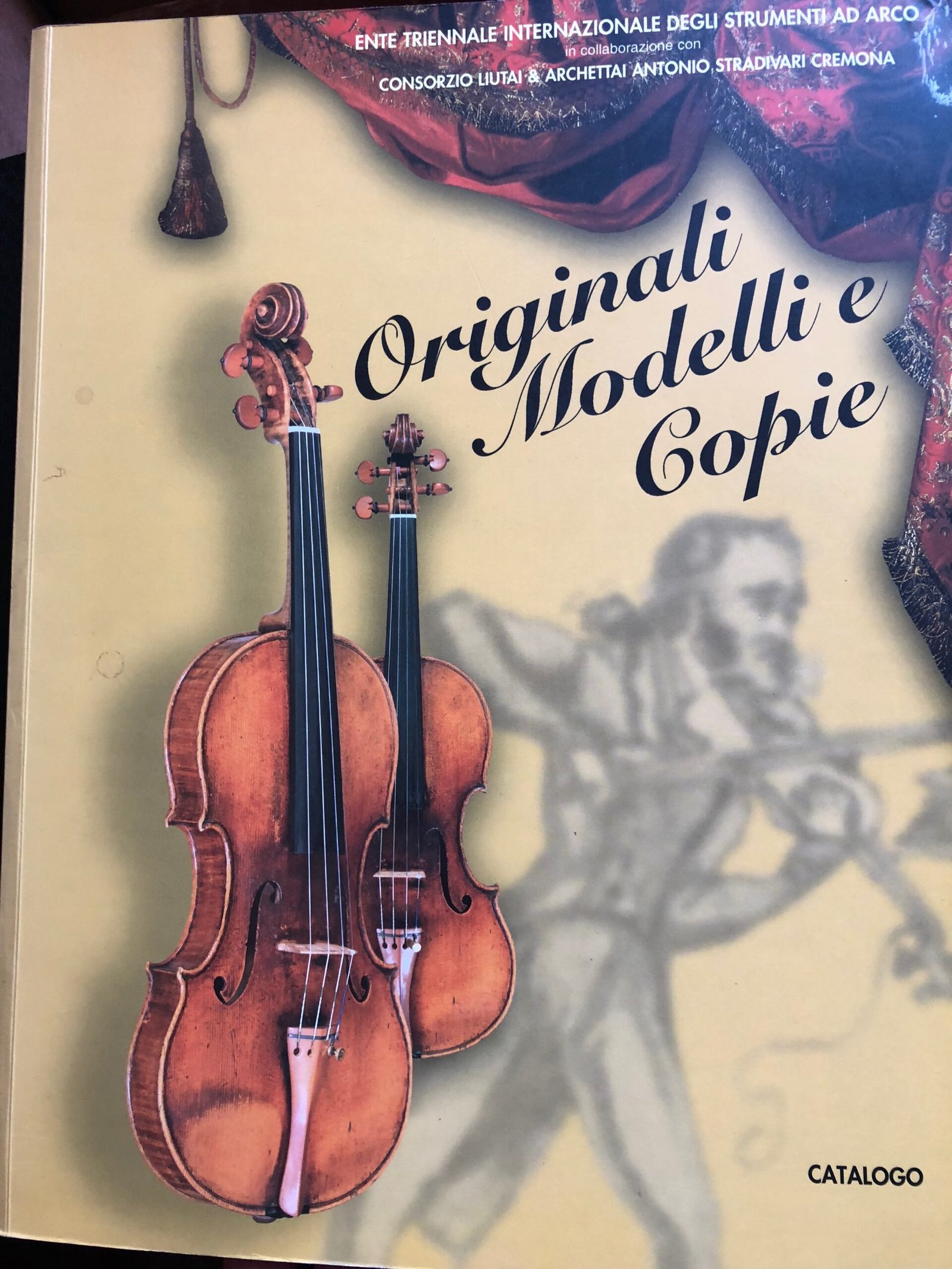
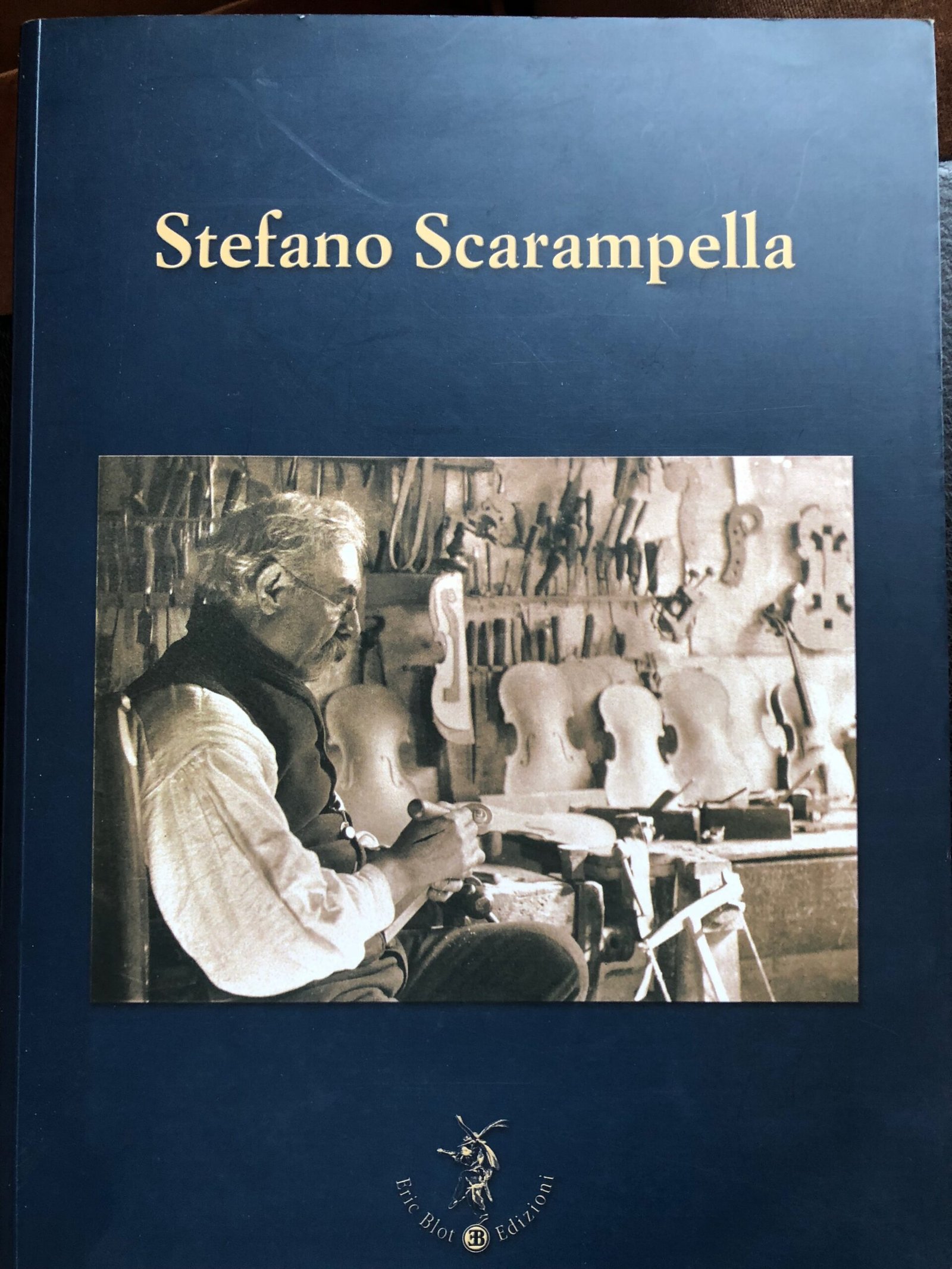
The violin is additionally documented in the exhibition catalogue Stefano Scarampella, published by Eric Blot Edizioni in 2002.
The accompanying photographic material illustrates the front, back, scroll, construction details and documented measurements of the instrument.
Instrument Gallery
Giuseppe Scarampella · Florence · 1881
A Documented Italian Violin
The Giuseppe Scarampella violin of 1881 combines historical significance, distinctive workmanship and documented attribution.
At Setaro Fine Instruments & Bows, the appreciation of fine string instruments is rooted in musical heritage, craftsmanship and the preservation of exceptional historical works.
Private Enquiries