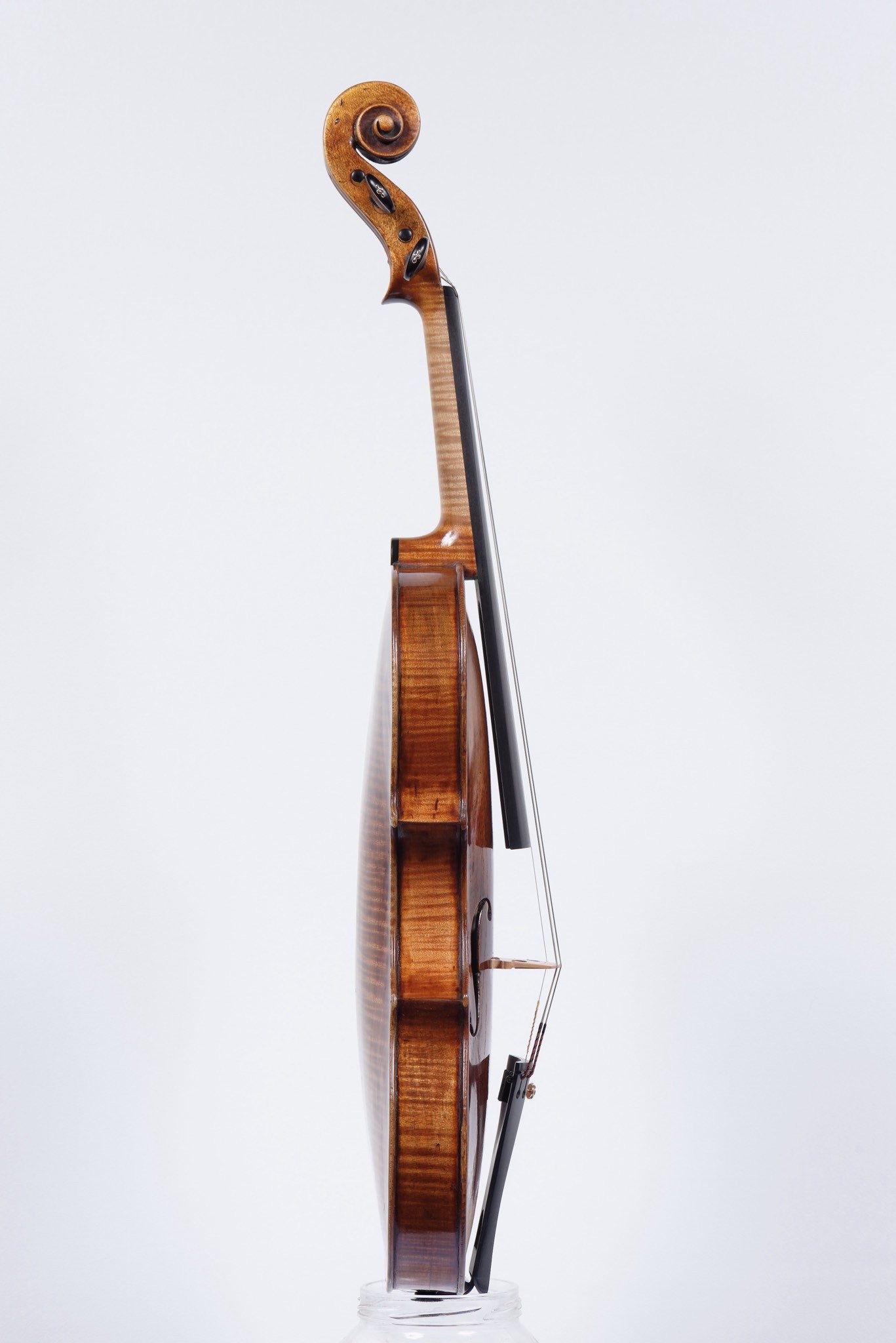
Gioffredo Cappa
A distinguished example of the early Italian violin-making tradition, reflecting the craftsmanship and historical character associated with Gioffredo Cappa.
An Exceptional Seventeenth-Century Heritage
Gioffredo Cappa is associated with the distinguished tradition of Italian violin making in the Piedmont region during the late seventeenth and early eighteenth centuries.
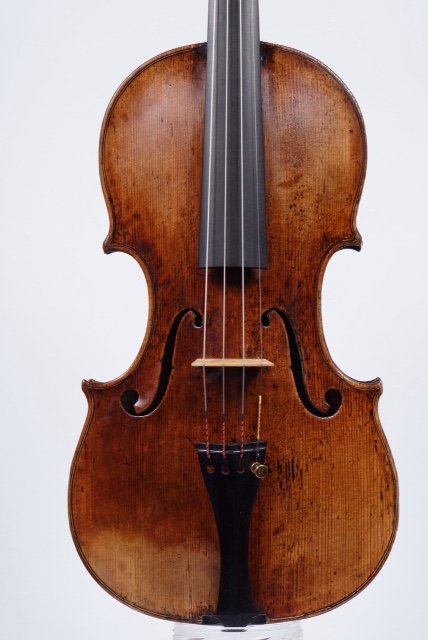
This violin, traditionally attributed to Gioffredo Cappa and dated circa 1680, represents an important example of early Italian craftsmanship.
Wood & Construction
The violin features a one-piece spruce soundboard, displaying narrow annual growth rings on the left that gradually widen towards the right.
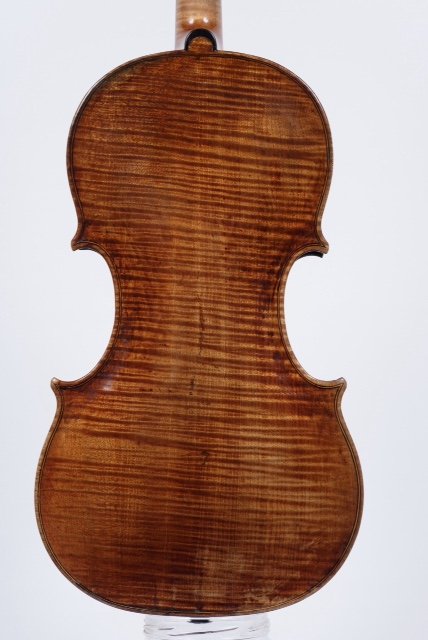
The back is fashioned from a single piece of attractively figured maple, with a pronounced flame descending from left to right.
The ribs are made from maple of similar character.
A Distinctive Italian Character
The instrument is distinguished by its red-brown varnish, contributing warmth and depth to its appearance.
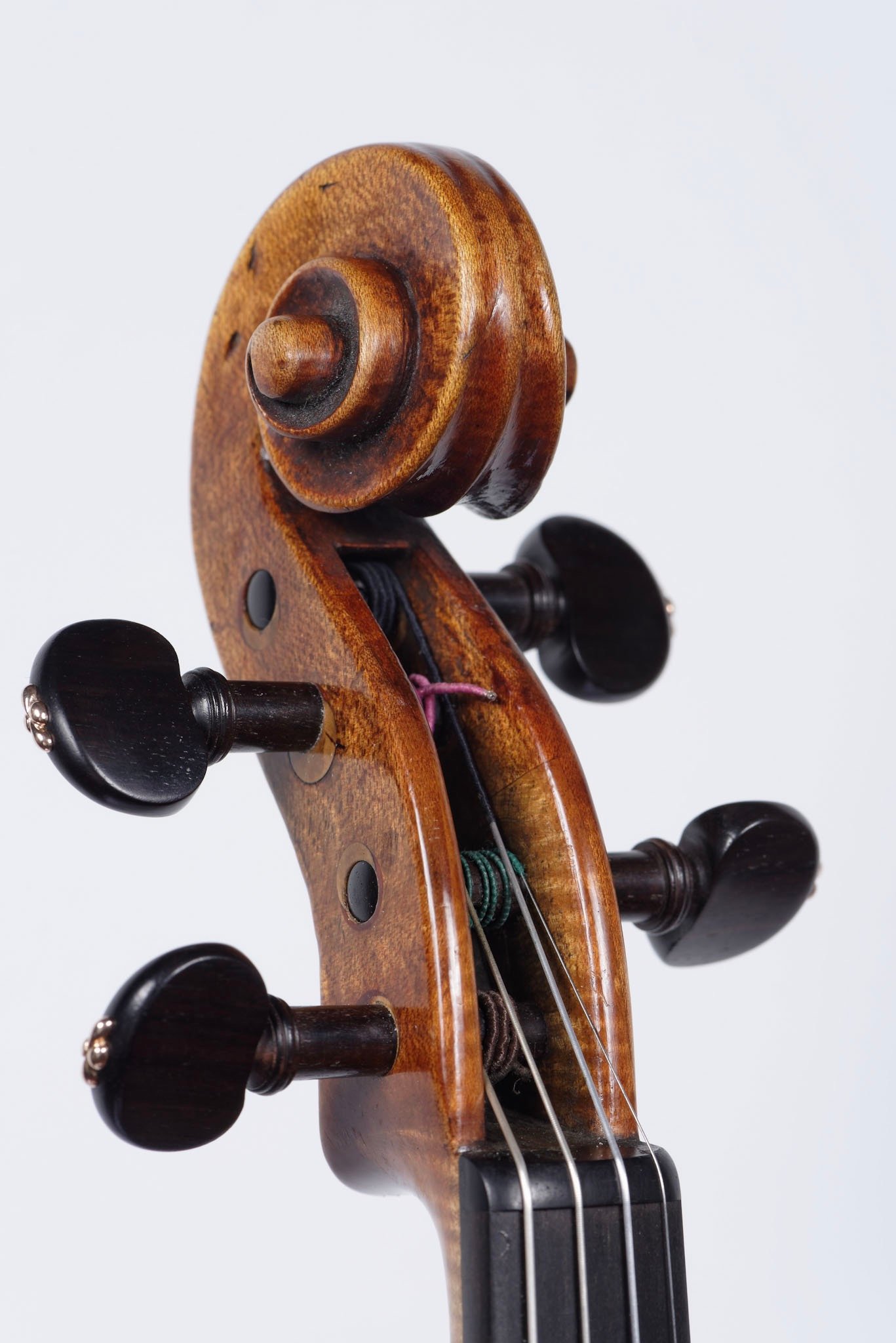
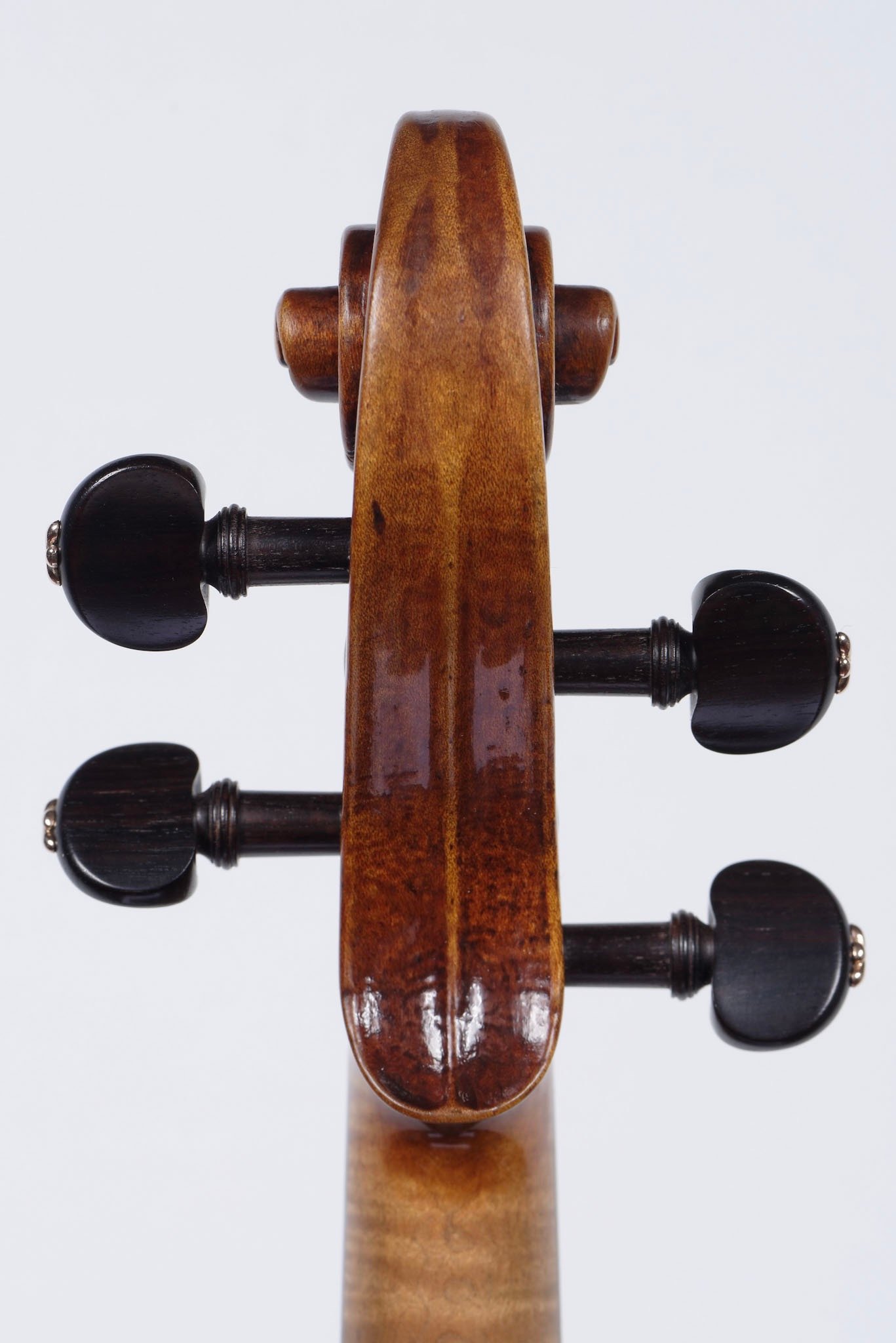
The available descriptive documentation characterizes the violin as a fine example of the maker’s work, retaining its original components and being in good condition at the time of examination.
Details & Dimensions
Dendrochronological Analysis
The violin has been the subject of a dendrochronological examination of its spruce soundboard, documented in a scientific report dated June 2016.
The analysis identifies 1643 as the latest observable growth-ring date and records statistical correlations with historical Italian instruments, including examples associated with the Turin school.
The report discusses the possibility of a construction date earlier than the traditional attribution of circa 1680. The dendrochronological findings provide valuable historical context, but do not independently establish the maker or the exact year of manufacture.
Certificate & Attribution
The instrument is reported to be accompanied by documentation from J. & A. Beare. The original certificate has not yet been reviewed for this presentation.
Further information concerning the instrument’s documentation may be requested through Setaro Fine Instruments & Bows.